
Co-founder & CEO
Bob Nugman
Built reliability systems and validation programs for Uber’s core trip flow, DoorDash’s production and ML systems, and Shield AI’s autonomy stack.

When AI operates in the real world, the stakes are high
How soon will you know
when your robot fails?
How fast can you recover?
We built reliability solutions at world-leading companies.
Now we’re bringing the same principles and technology to physical AI —
adapted to the scale and demands of the real world.
Move fast. Don’t learn
the hard way.
Catch rare failures early — because one serious incident is one too many.
The Product
Real-world complexity makes this hard. Even something
as intuitive as “a left turn” requires defining how
position, orientation, velocity and acceleration relate
over time — including where the turn starts and ends.
We built a solution for this.
Specification
Engineers describe expected behavior in plain language. An AI assistant helps translate it into a specification: a precise, reviewable definition that can be applied to recorded and live data.
A specification can capture patterns across time and space, statistical methods, anomaly detection and learned dynamics.
The system evaluates recorded or live data against the specification without relying on AI, so the same data always produces the same result. Every finding links back to the relevant parts of the specification and source data, showing engineers what was detected and why.
From simple to complex
Define nominal flight-control behavior: measured roll, pitch and yaw should follow their commanded values over time.
[metric.causality:control]
roll_response = roll.commanded -> roll.measured
pitch_response = pitch.commanded -> pitch.measured
yaw_response = yaw.commanded -> yaw.measured

[spec:control_nominal]
control.roll_response
control.pitch_response
control.yaw_response
Real-world UAV monitoring · Discovering causal relationships and combining them into nominal control behavior
Flag an interrupted motion when an unusual change in motor load is followed by the robot stopping before it reaches its target.
[event.anomaly:motor_load]
robot.motor.load

[event:motion]
started = robot.motion.active
incomplete = robot.motion.stopped && !robot.target.reached

[event.sequence.30s:interrupted_motion]
motion.started -> motor_load -> motion.incomplete
Robot motion monitoring · Combining anomaly detection, state and sequence into one explainable failure condition
Testing, verification and monitoring
Use specifications to test recorded runs, catch regressions after every commit, verify edge and tail cases, and continuously monitor live systems. Developers can move quickly without changing what “correct” means between development and operation.
Time, spatial, interval and event indexes narrow each search to the relevant data, keeping it fast as datasets grow. Distribution-shift detection identifies when the statistical behavior of data changes over time. Our optimized Kolmogorov–Smirnov test provides a transparent, low-latency alternative to model-heavy approaches.
Measured CPU distribution-shift detection
12-core Intel i7
Kolmogorov–Smirnov test · 10K samples · identical hardware · 500× measured speedup
GPU-accelerated indexes · Time · Space · Intervals · Events
Investigation and response
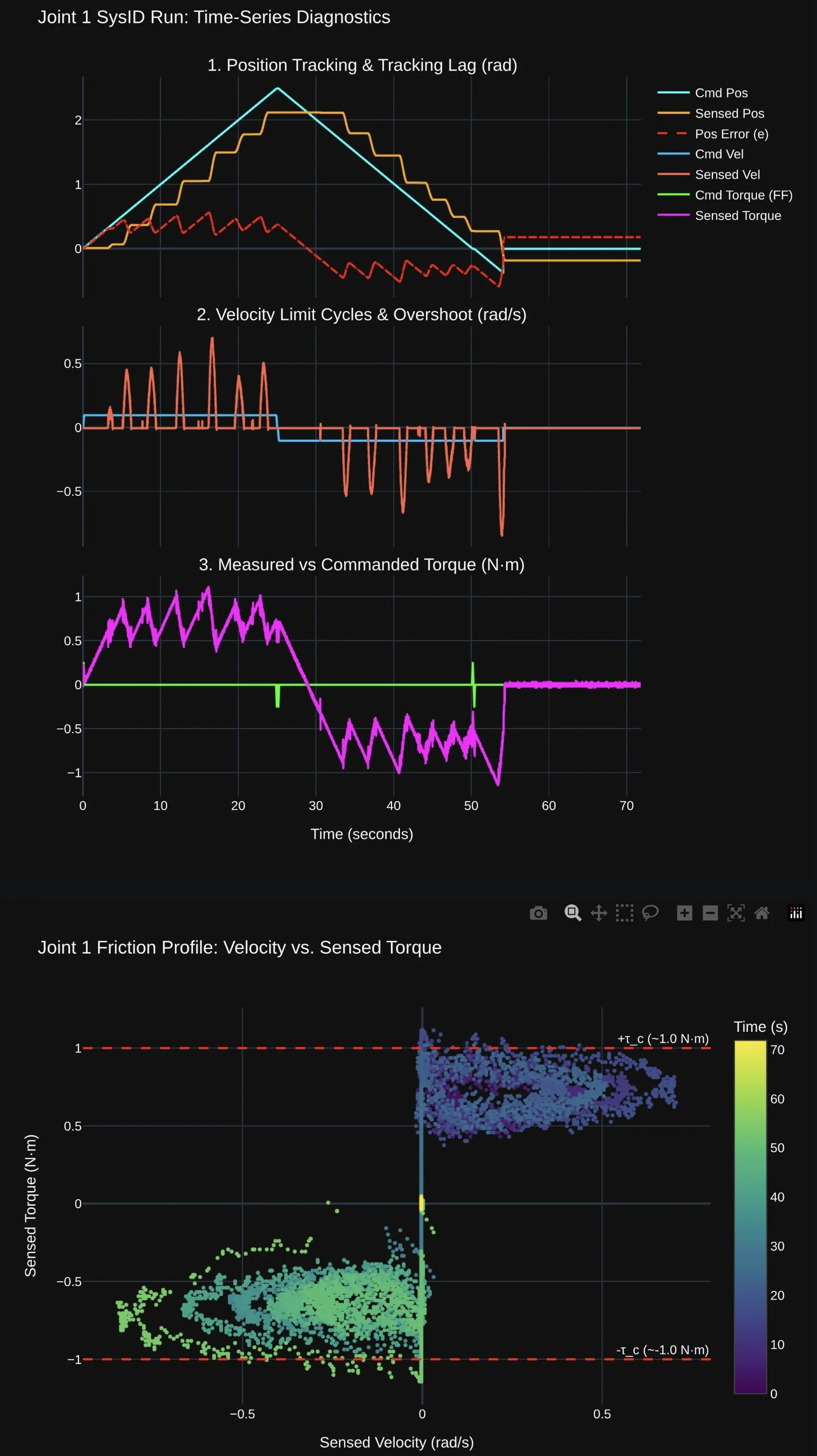
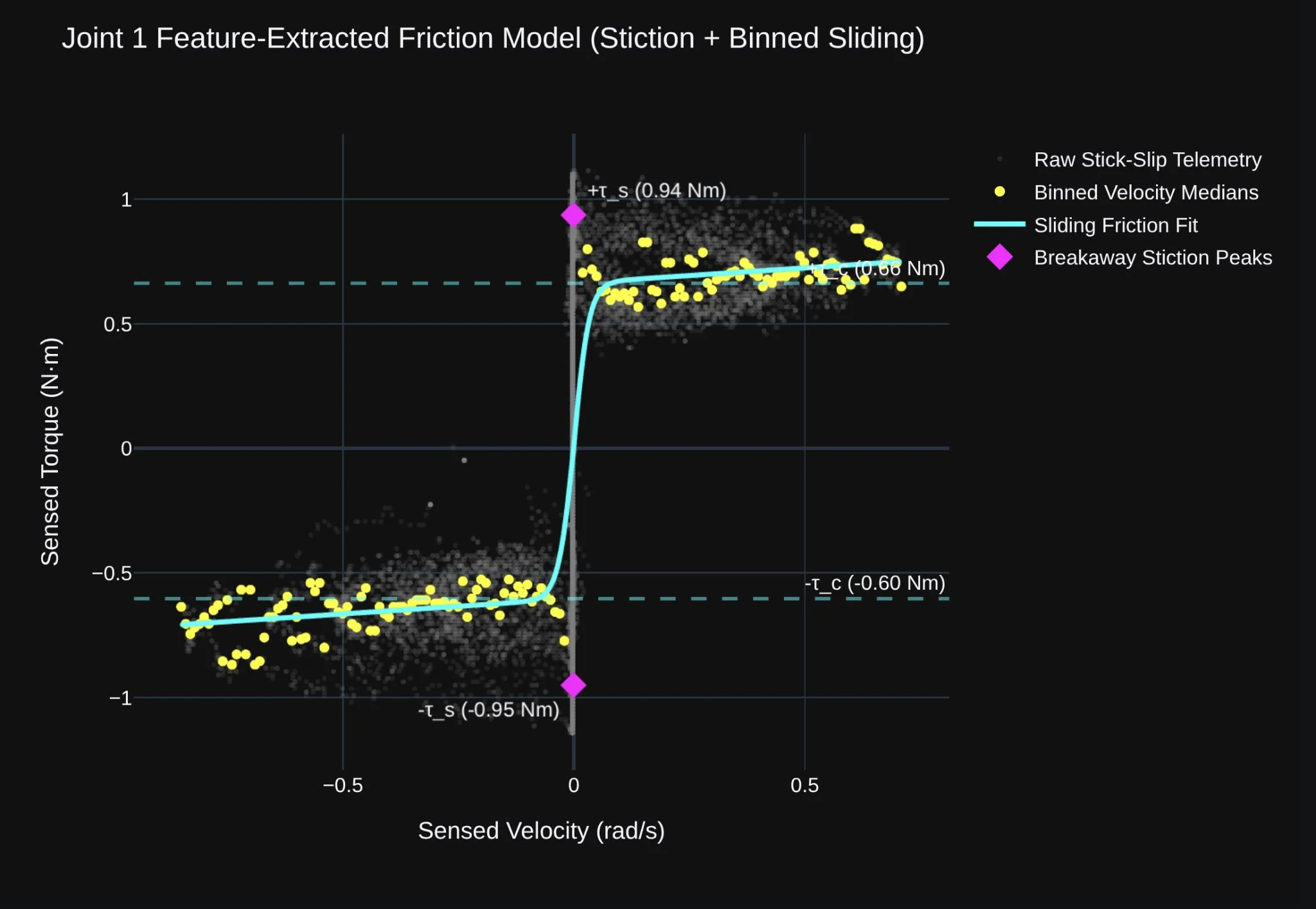
Comprehensible shows what happened, why it was flagged and which expectation it violated. It generates an incident-specific view from the query and specification, then helps teams trigger an automatic or human-approved response and confirm recovery.
Team interoperability
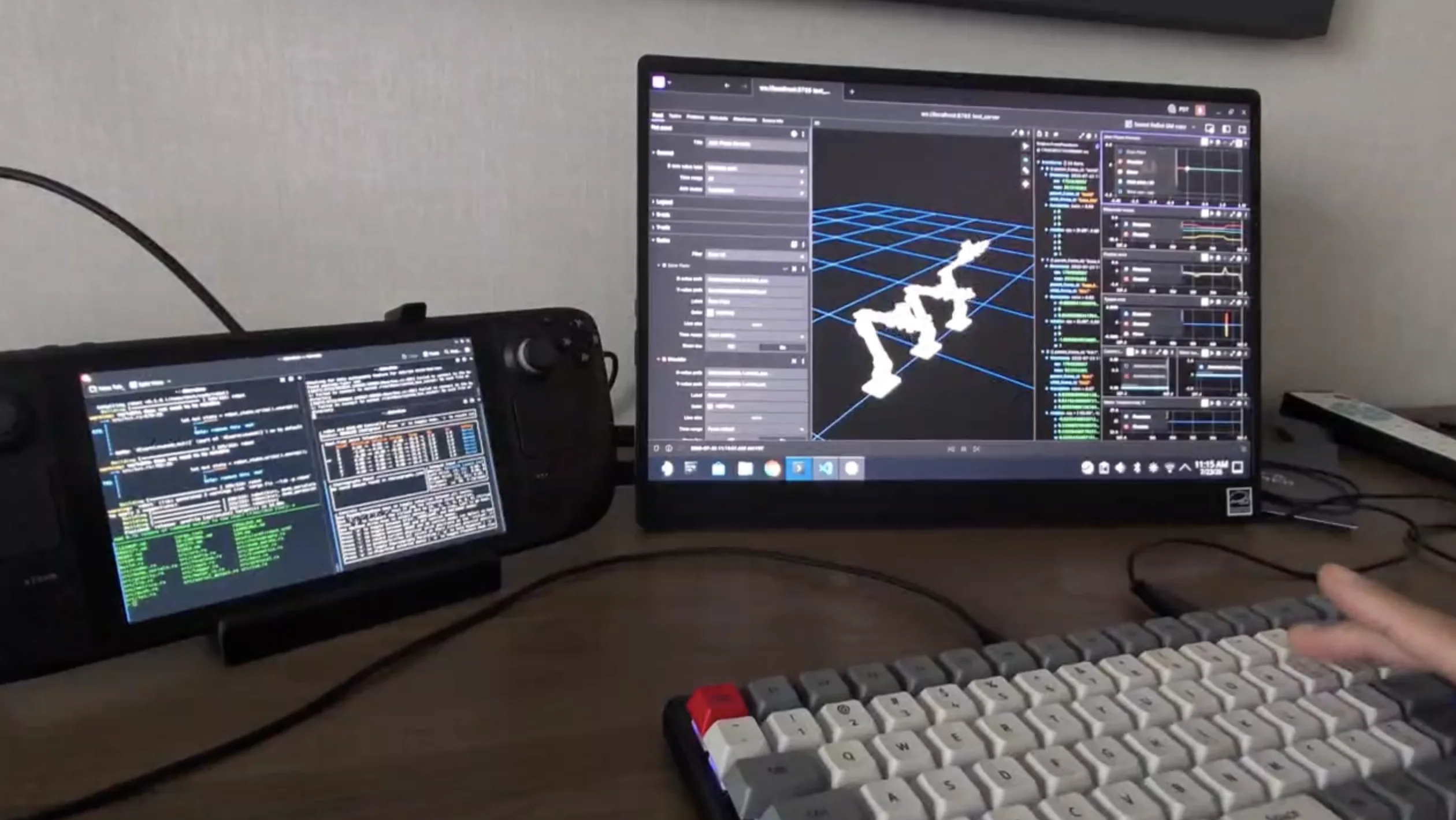
Reliability crosses development, field operations, support and leadership. Comprehensible gives each team a familiar interface while keeping everyone aligned on what should happen, what actually happened, what was decided and whether the system recovered.
Leadership
Co-founder & CEO
Built reliability systems and validation programs for Uber’s core trip flow, DoorDash’s production and ML systems, and Shield AI’s autonomy stack.

Co-founder & CTO
Led large-scale reliability projects for Fortune 500 companies and other leading global enterprises.
Build with us
Bring us the behavior your machines must get right. We’ll help you define it, test and verify it, monitor it in real time, and recover safely when behavior changes unexpectedly.
hello@comprehensible.ai